Buying Guides by Audience & Goal
Good Home Gym Equipment For Quiet Muay Thai And Thai Boxing
21st May•15 min read
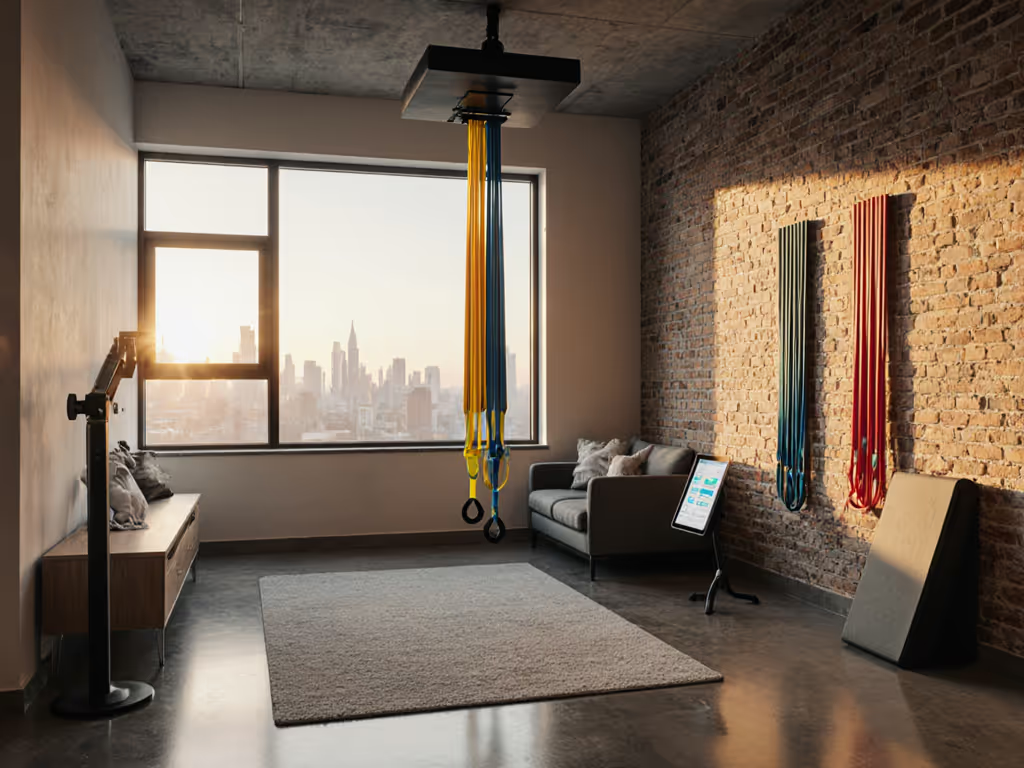
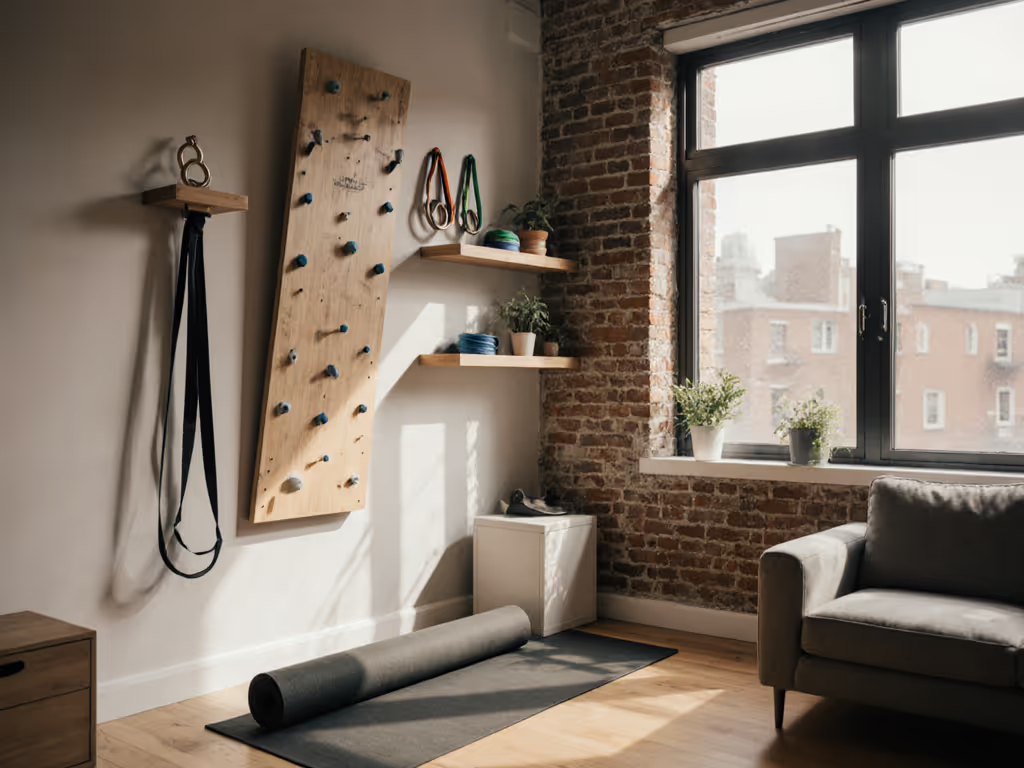
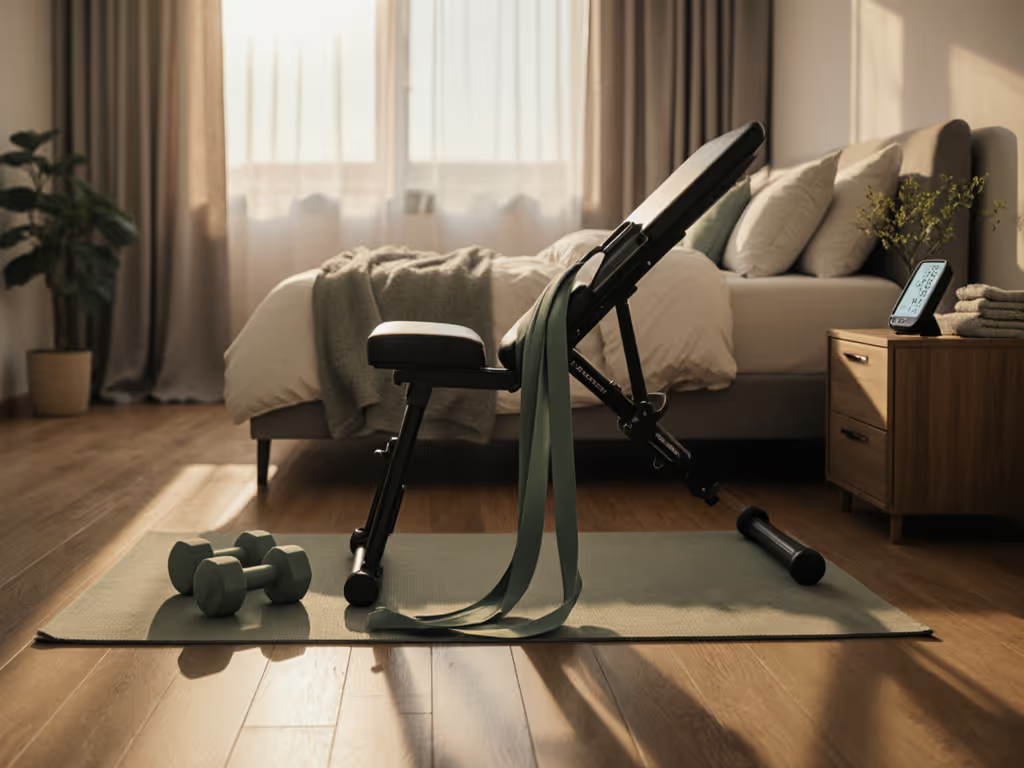
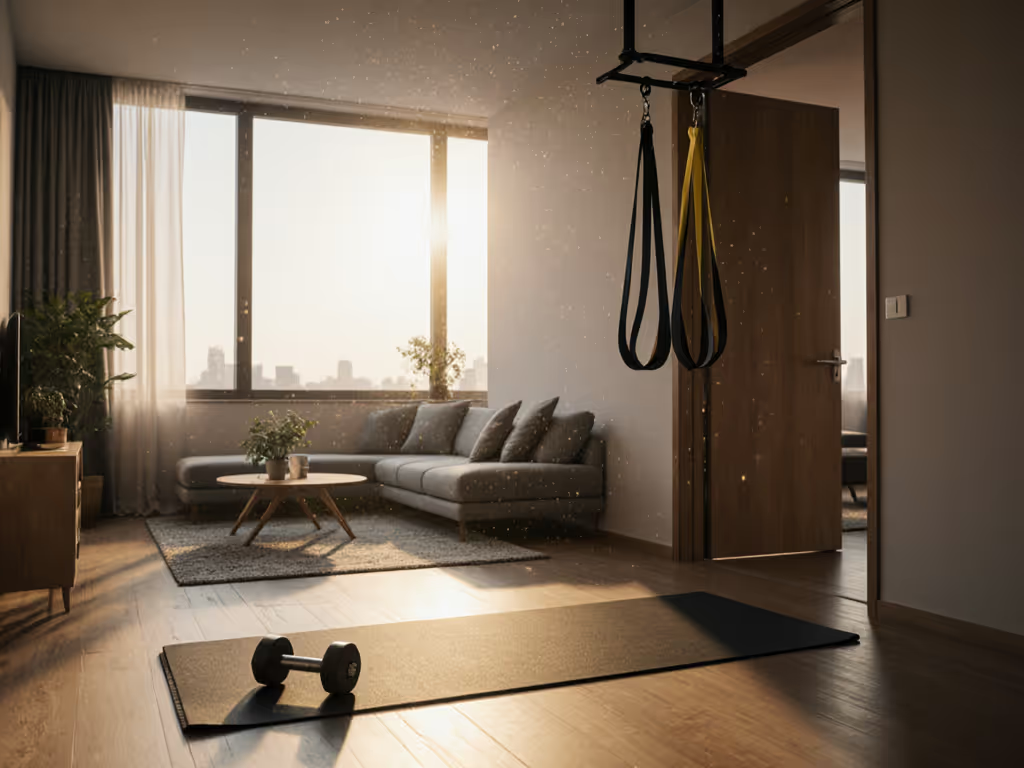
You don't need a cavernous garage gym or clangy free weights to build explosive power. When vertical jump training equipment fits seamlessly into your living space (and respects thin apartment walls) it transforms from a luxury into a sustainable habit. If noise is your main concern, see our apartment gym noise control guide for soundproofing and timing strategies. Pair it with smart home gym equipment choices that vanish after use, and suddenly your living room becomes your secret performance lab. Start where your room is, not where you wish it was. After all, small wins compound when your space lowers friction daily.
Most vertical jump programs assume you have a basement full of plyo boxes, a sprung floor, and neighbors who've moved to another zip code. But when you're time-pressed and noise-averse, standard approaches sabotage consistency:
During lockdown, my parents proved a different way: five days a week, they'd pull resistance bands from a woven basket, train on a folded mat, and reset in 90 seconds. No gear shame. No neighbor knock. Just quiet progress. Their secret? Treating equipment like a coffee mug (always ready, never in the way).
Consistency beats complexity. Always.
You can build vertical power without waking the block. It starts with redefining "equipment" for space-constrained homes. Forget drop-proof platforms. Focus instead on tools that:
This is where resistance-band-based jump training equipment shines. Unlike weighted vests or plyo boxes, bands:
A recent study confirmed athletes using resistance bands for vertical jump training saw 9.2% power gains without traditional plyometrics (perfect for apartment dwellers). The key? Training upward explosiveness through controlled resistance, not downward impact.
Do-This-Now Box: Test Your Floor's Noise Tolerance Place a glass of water on the floor where you'll train. Do 5 slow bodyweight squats. If ripples form before you reach parallel, you need vibration damping. Solution: Fold a yoga mat + thick towel underneath. Retest. No ripples = green light.
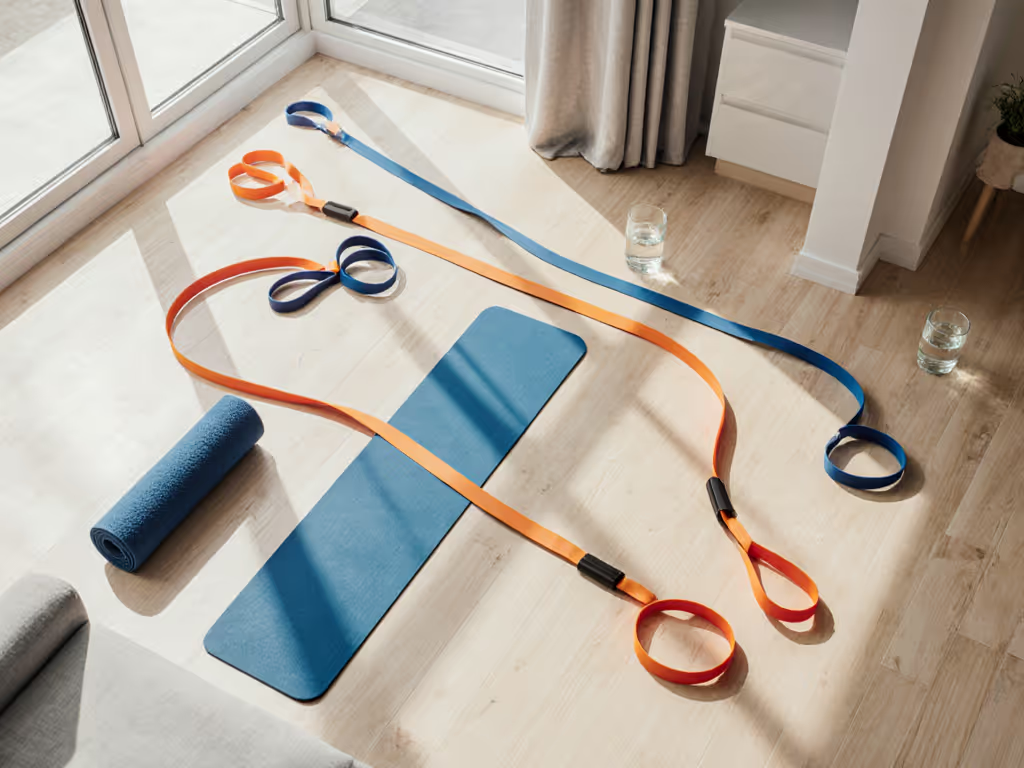
Forget one-rep-max mindset. For home jump training, prioritize repeatable quiet sessions over heroic feats. Here's how to build it:
Identify a 4x4 ft. spot away from:
Noise etiquette tip: Place your micro-zone near an exterior wall. Sound dissipates faster outside than through shared walls. To further reduce vibration, review our home gym flooring tests comparing soundproof tiles versus rolls.
For true noise-proofing, you only need three versatile pieces:
Pro tip: Skip expensive cable machines. Beginner bands cost <$30 and store inside your jump rope handle. They're also basketball-specific workout gear that doubles for soccer headers or volleyball blocks. Learn the science behind resistance band strength gains and how to program them effectively.
Do-This-Now Box: Your First 5-Minute Jump Session
This is where most home jump training fails. If setup takes >5 minutes, you skip it. Make resetting part of the workout:
I've seen clients transform corner spaces into trusted jump zones using this method. One teacher trains before dawn in her studio apartment (her only "equipment" is a band clipped to her bed frame). No complaints from neighbors below. Just steady 1.5-inch gains over six months.
Traditional basketball agility tools demand space, noise tolerance, and storage you likely lack. But resistance-band jump training flips the script:
Most importantly, it's consistent. You'll skip that 6am gym session when it's raining. But you'll never skip a 5-minute band routine in your socks before coffee. And consistency (real, daily consistency) is where vertical jumps are truly won.
Small wins compound when your space lowers friction daily.
Don't buy anything yet. Prove the habit first:
If you completed all three, you've got the foundation. Next, plan your layout with our small space home gym guide to keep sessions friction-free. Then invest in proper bands. But if you skipped step 2? Tweak your micro-zone location (maybe move it near your coffee maker). Start where your room is, not where you think it should be.
Your vertical jump isn't built in the gym. It's built in the quiet, consistent moments between life's chaos. And when your jump training equipment respects your space and your peace? That's when real progress takes flight.