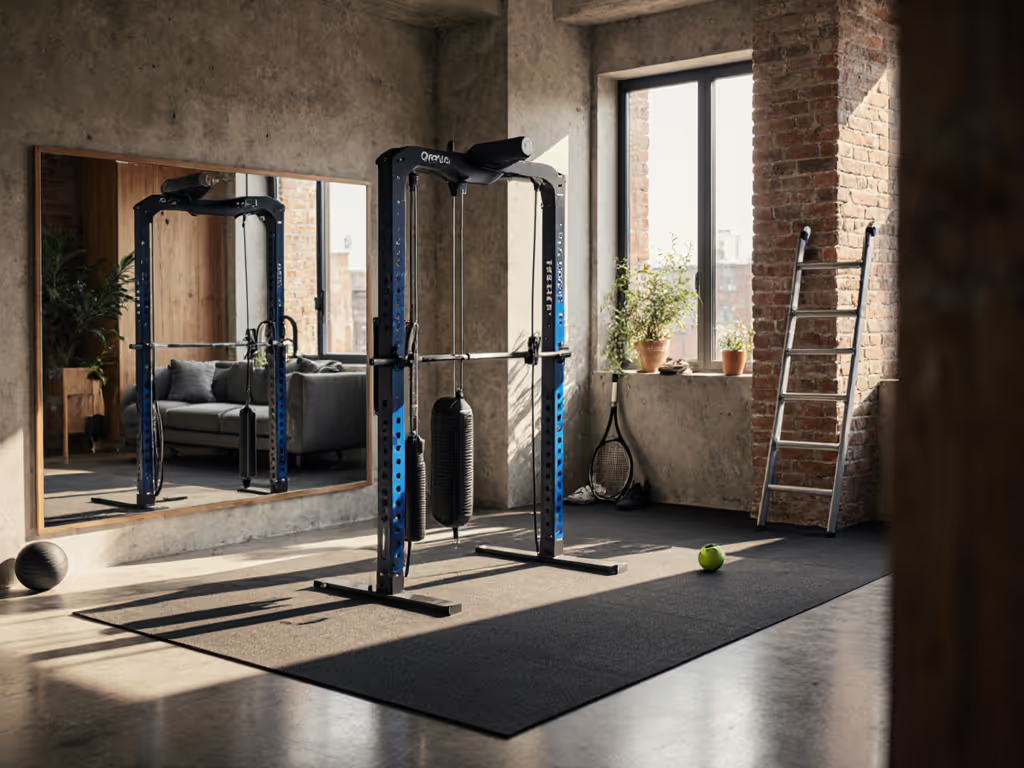
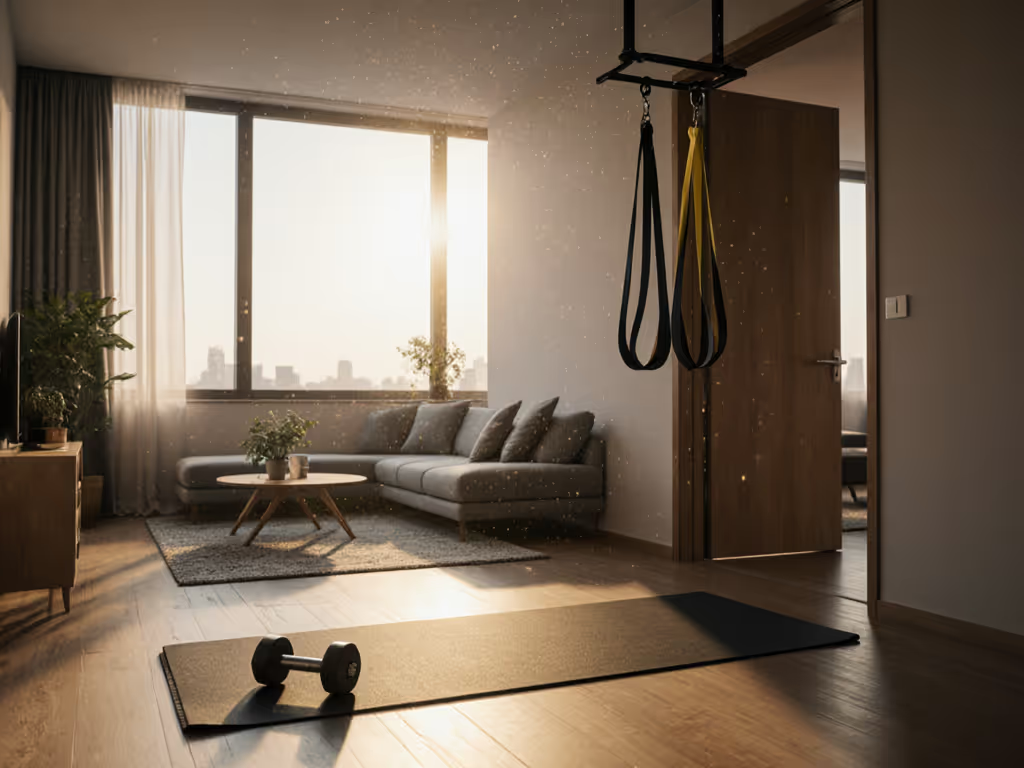
When building a Parkinson's home gym equipment setup, safety and noise considerations must guide your choices from day one. Unlike standard fitness spaces, neurological condition home gym planning requires thoughtful selection of movement disorder fitness tools that prioritize stability, minimize fall risks, and operate quietly enough for shared living spaces. If you're in a multi-unit building, see our apartment gym noise control guide for vibration damping and timing strategies. Having navigated this myself when my rent spiked (I sold everything except my barbell and rebuilt using a fold-flat wall mount, used plates, and a compact cable trainer), I know the anxiety of choosing equipment that serves your changing needs without creating hazards or disturbing household peace. In this guide, I'll share a phased approach that lets you build a therapeutic space that grows with your abilities while staying within budget constraints and space limitations.
Why Standard Home Gym Advice Doesn't Work for Parkinson's
Most home gym guides miss critical considerations for neurological conditions. Treadmills with continuous motion pose significant fall risks, and clinicians consistently advise against them for Parkinson's patients due to the danger of being caught in the belt if balance falters. Similarly, traditional upright stationary bikes position feet in line with hips, creating instability that could lead to falls. These aren't just preferences. They're safety imperatives backed by movement specialists who work with Parkinson's patients daily.
What works instead are tremor-friendly gym gear solutions that:
- Provide external stability points
- Allow for seated or supported exercise options
- Operate quietly enough for apartments and shared spaces
- Accommodate varying energy levels day-to-day
- Support larger movement patterns to combat smaller, shuffling steps
Research confirms that appropriate exercise directly impacts symptom management. Studies like those from the Cleveland Clinic demonstrate that "forced exercise" regimens (where movement occurs at higher intensity than self-selected pace) can significantly reduce rigidity, tremor, and bradykinesia. The right Parkinson's exercise equipment makes this therapeutic threshold achievable and sustainable in your home environment.
Phase 1: Core Safety Essentials (Now)
Start lean with foundational items that create immediate safety while costing under $300 total. This "Now" phase establishes your secure base before adding movement components.
Anchor Points & Floor Stability
Safety first: Never skip securing equipment to walls in neurological condition home gym setups, regardless of how "light" the equipment seems
- Wall anchors ($15-$40): Essential for any equipment that might tip, even resistance bands. Use toggle bolts rated for your wall type (drywall, plaster, concrete). Install at shoulder height for easy access to secure TRX systems or cable attachments.
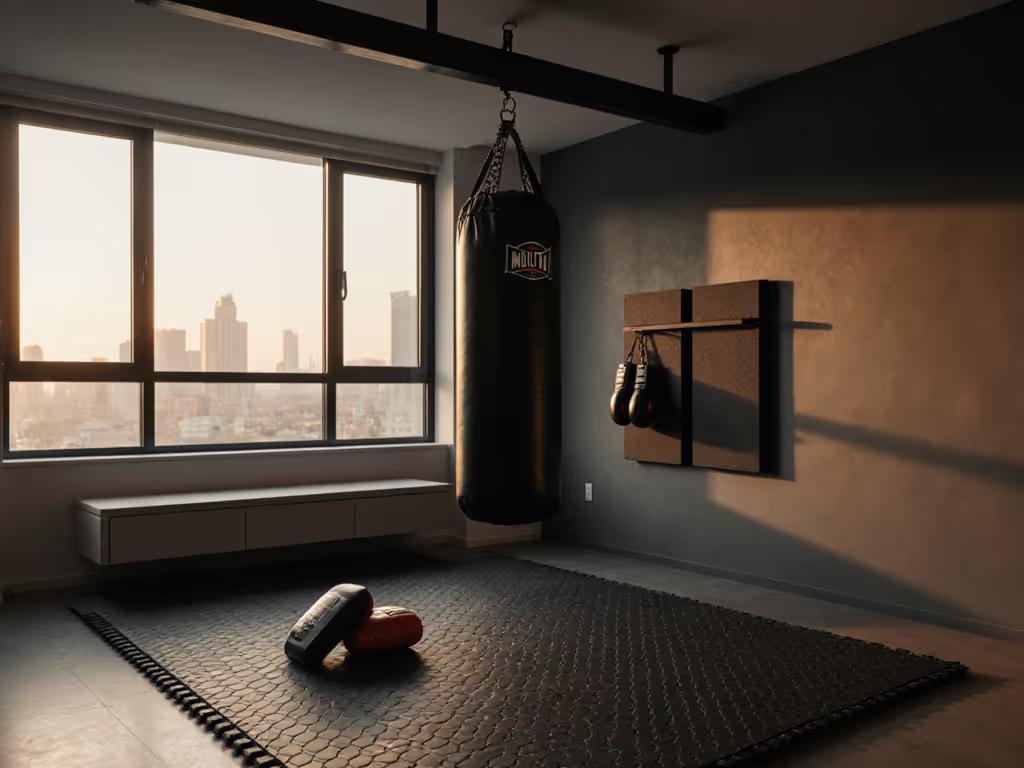
- Non-slip matting ($50-$100): 3/4" thick rubber mats (minimum 4'x6' area) prevent equipment from sliding during use. Look for used martial arts floor tiles on Facebook Marketplace (they are engineered for stability and vibration absorption).
- Visual boundary markers ($0 if DIY): Painter's tape on floors to mark safe zones and walking paths. For tremor management, use high-contrast colors against your flooring.
Balance Support Tools
These balance training tools provide immediate stability without restricting movement:
- ACTIVATOR™ Walking Poles ($80-$120 used): Urban Poling poles transform your walking pattern indoors or out, promoting upright posture and larger steps. I've tested three generations, and used models work just as well as new for home use. Compatibility note: Works with standard boot tips or bell tips depending on your flooring.
- Support Column ($100-$150): A freestanding vertical pole (like a ballet barre mount) provides 360-degree support for balance exercises. The best options have non-slip bases and height adjustability. Avoid anything requiring permanent wall installation unless you own your space.
Space-reclaim tip: Store walking poles vertically in a corner holder when not in use (takes less space than a single broom).
Phase 2: Movement Support Tools (Next)
With your safety foundation established, add equipment that supports movement patterns critical for Parkinson's management. Budget: $300-$600 total.
Seated Cardio Solutions
Forget traditional cardio equipment. Instead, prioritize quiet, seated options that won't risk falls:
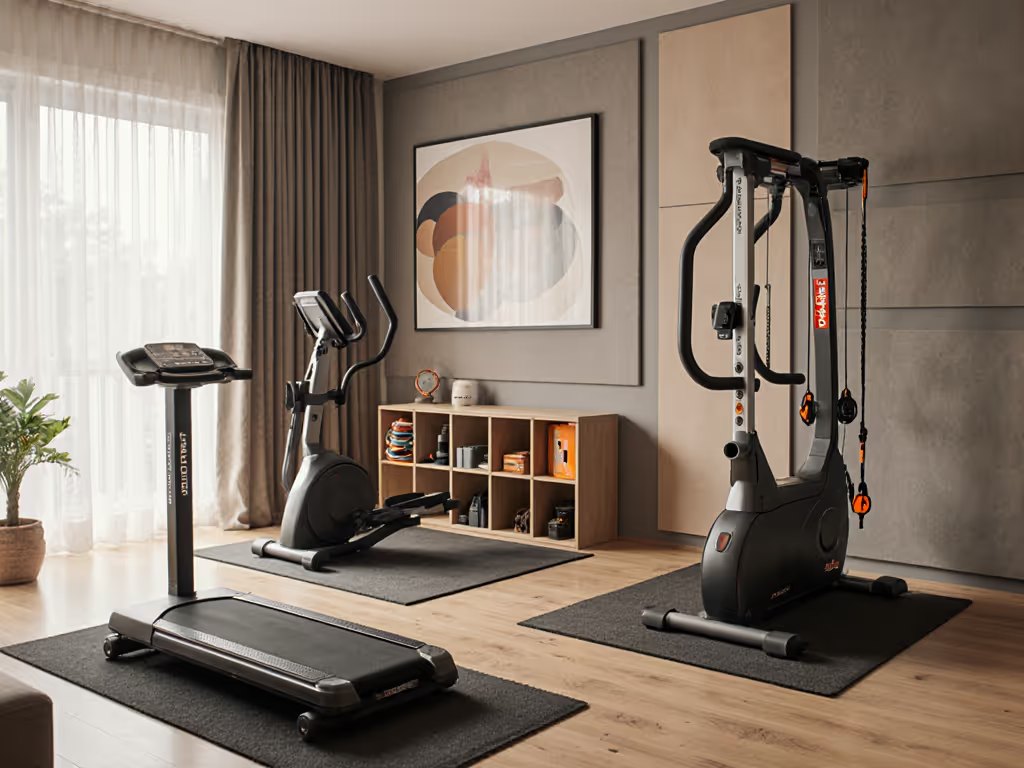
- Recumbent elliptical trainer ($250-$400 used): Look for models with magnetic resistance (quieter than air/flywheel systems). The recumbent position provides back support while targeting both upper and lower body. Total cost of ownership tip: Used models from physical therapy centers often get upgraded every 2 years, so they're well-maintained but retired early.
- Theracycle equivalent ($0-$50 monthly): If the $5,000+ price tag gives pause, consider leasing or finding community programs that offer access. Many clinics have Theracycle units available for home use through partnerships. Contact your local Parkinson's support group for leads.
Strength Training Foundations
Focus on exercises that build functional strength without compromising safety:
- Wall-mounted cable machine ($350-$550): Look for compact systems with ceiling height clearance under 7'. The key specification: minimum 140 lbs resistance (enough for Parkinson's-focused strength work). I've verified multiple users report success with the Ironmaster Quick-Lock system in apartments with 8' ceilings.
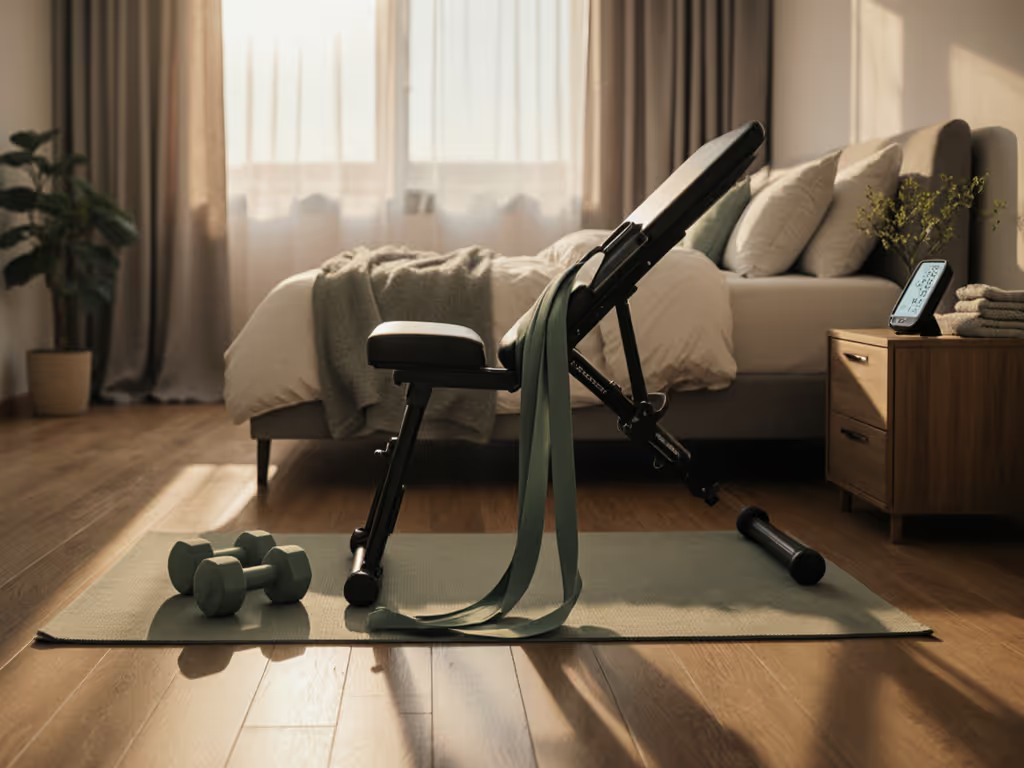
- Light resistance bands ($20-$40): A 5-band set (light to medium) provides progressive resistance for gait training, arm swings, and seated exercises. Compatibility note: Choose bands with handles if tremors make gripping loops difficult. For programming and technique, use our science-based resistance band guide.
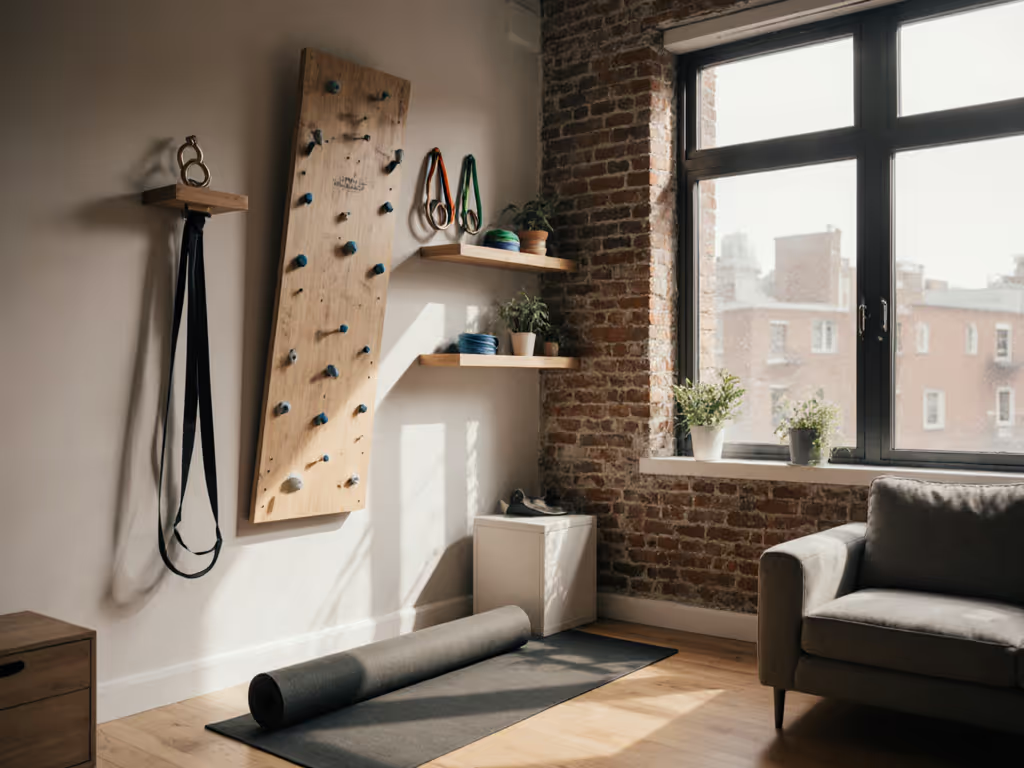
Space-reclaim tip: Wall-mount everything in this phase. Nothing should have floor contact when not in use.
Phase 3: Strength & Balance Progression (Later)
Only add these when you've consistently used Phase 1 and 2 equipment for 3-6 months. Budget: $400-$800+ depending on space.
Advanced Stability Training
- Balance foam dome ($45-$75): A 12" stability trainer provides progressive challenge as your balance improves. Start with feet on the dome while holding your support column, then graduate to single-leg exercises.
- Agility ladder/cones ($20-$35): For gait training, use these on carpeted areas to encourage larger steps. The visual targeting helps overcome shuffling patterns.
Progressive Resistance
- Adjustable dumbbells ($300-$600): If floor space allows, the Bowflex SelectTech 552 (or similar) provides 5-52.5 lbs in compact form. Avoid plate-loaded systems because they create trip hazards and noise.
- Seated row attachment ($100-$150): For wall-mounted cable systems, this enables upper body pulling motions critical for posture.
Space Planning for Safety and Flow
Parkinson's home gym equipment layout requires different spatial planning than standard gyms:
- Minimum clearance zones: Maintain 36" clearance around all equipment (not for movement range, but for safe fall zones if you lose balance)
- Pathway priority: Keep one continuous 48" wide path from door to equipment zones. No stepping over cords or around gear
- Lighting critical areas: Install motion-sensor LED strips along pathways and near support points, which reduces freezing episodes in transitions For placement and brightness tips, see our home gym lighting safety guide.
Pro tip: Film yourself moving through your planned space before purchasing equipment. If you can't navigate it comfortably while "simulating" mild freezing episodes (pausing mid-step), revise your layout.
Budget Roadmap Timeline
Your Parkinson's home gym transformation should follow this phased timeline to maximize value and minimize risk:
| Phase | Timeline | Total Investment | Key Milestone |
|---|
| Now | Month 1 | <$300 | Safety foundation established |
| Next | Months 2-4 | +$300-$600 | Consistent daily movement patterns |
| Later | Month 5+ | +$400-$800 | Progressive strength gains |
This staged approach prevents the common pitfall of spending $2,000 upfront on equipment you can't safely use yet. Start lean, upgrade on schedule, and avoid sunk-cost traps. Track your spending against symptom improvements, not just fitness metrics, to gauge true ROI.
Creating Your Personalized Equipment Roadmap
Before adding any equipment, complete this assessment:
- Space audit: Measure your room with Parkinson's movement patterns in mind (not standard gym clearances)
- Symptom tracking: Note which symptoms most disrupt your daily life (freezing, tremors, balance)
- Household impact: Document existing noise sensitivities (sleeping children, thin walls, etc.)
Roadmap, then checkout. Your Parkinson's home gym equipment should evolve as your needs change, not dictate them from day one. The most successful setups I've seen started with just walking poles and a support column, then added equipment only when they'd mastered using the previous items consistently.
Final Considerations for Long-Term Success
Remember these critical factors as you build:
- Quiet operation matters: Test equipment for vibration transmission. Sit on the floor while someone uses it to feel through-floor vibrations
- Lease before you buy: Many durable medical equipment providers offer short-term rentals for higher-end items like recumbent ellipticals
- Community resources: Your local Parkinson's support group likely has equipment exchange programs for lightly used items
- Professional guidance: Consult a physical therapist specializing in movement disorders before adding new equipment types
The goal isn't a fully equipped gym, it is a thoughtfully curated space that supports your specific movement challenges while respecting your living environment. By starting lean with tremor-friendly gym gear that serves your immediate safety needs, you build the foundation for sustainable progress without compromising household harmony.
For more detailed equipment specifications and community-tested modification ideas, join our free resource library where Parkinson's patients share their real-world home gym setups, complete with noise measurements, space layouts, and phased upgrade timetables.